
The tides are turning in European travel. Italy and France, once untouchable favorites for luxury getaways, are slipping down the priority list for seasoned travelers. In 2026, many high-end globetrotters will be looking elsewhere. The sparkle of Paris and the allure of Tuscany just aren’t cutting it anymore.
Luxury travelers are tired of fighting through selfie-stick traffic in 100-degree heat for a croissant or a photo op. They are craving calm, space, and soul.
Too Many Tourists, Not Enough Experience
Overtourism has turned once-magical places into theme parks. Paris feels more like a waiting room than a romantic city. Florence is now packed shoulder-to-shoulder in peak months. And Venice? It is charging day-trippers to enter. Locals are protesting. Infrastructure is cracking. The experience no longer feels luxurious. It feels forced.
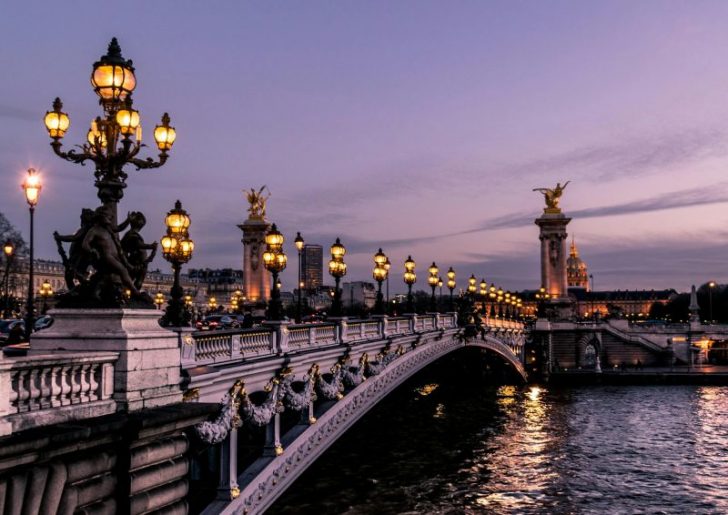
Leonard / Unsplash / Travelers are experiencing ‘Southern Europe Burnout.’ They are very likely to sleep on Italy and France in the upcoming year.
Even Croatia’s scenic cities, like Dubrovnik and Split, are buckling under the weight. Cruise ships unload thousands at once. Back alleys are clogged. Restaurants are booked out months in advance.
Summer Is No Longer Friendly
Europe’s heat waves are no joke. Last summer saw record highs again, and July was brutal across Southern Europe. Tourists fainted. Museums closed early. Air conditioning struggled to keep up. No luxury traveler wants to sweat through their silk shirts or cancel tours because of heat warnings.
And 2026 is likely to be worse. Scientists say Europe is warming faster than any other continent. More travelers are waking up to this reality. They are rethinking those summer escapes to Rome or the Riviera.
Because if you are paying five-star prices, you expect comfort, not climate stress.
The ‘Cool Factor’ Is Changing
Luxury in 2026 will be about rare finds, privacy, and deeper stories. A recent study shows that over half of travelers now prioritize crowd-free experiences. That means choosing lesser-known spots that feel special. Travelers want places where they can linger, not rush.
Eat slowly, and do not stand in line. Learn something new, not repeat what everyone else is doing.
Getting to know local makers. Spending money where it matters. And it is pushing travelers away from glossy capitals and toward hidden gems.
Where Are the Smart Travelers Going Instead?
Vis Island in Croatia is a secret worth sharing. It is peaceful, car-free, and rich with natural beauty. No airport. No cruise ships. Just clear waters, old villages, and family-run vineyards. Once a military base closed to the public, it now feels like a private world. It is what the Croatian people dreamed about before it got ‘Instagrammed’ to death.
Gaziantep, Turkey, is another surprise pick. Food lovers are heading there for legendary baklava, spicy kebabs, and the sprawling spice bazaars. But it is not just about eating. This city is full of history. The Zeugma Mosaic Museum is mind-blowing, and there is hardly a line.
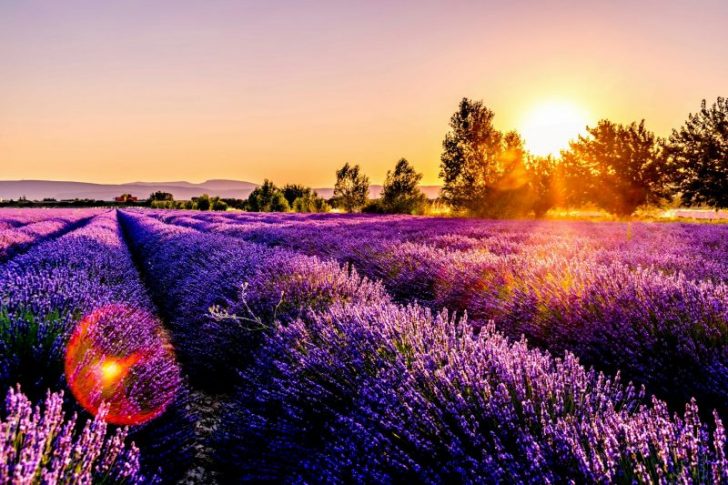
Cotte / Unsplash / If you want movement and scenery, Romania’s Via Transilvanica is a fresh adventure. The trail stretches through remote villages, old-growth forests, and historic sites.
It is perfect for hikers who want to slow down and see a wilder side of Europe. Think of it as the Camino’s cooler cousin, but with far fewer tourists and more unexpected magic.
Oulu in Finland is getting ready for its big moment. It is the 2026 European Capital of Culture, and the city is already buzzing with plans. Beyond the art and music, Oulu offers Arctic adventure without the crowds. From northern lights to Indigenous Sámi traditions, it is unlike anything in Western Europe.
Beyond new places, the way people travel is shifting. “Destination dupes” are on the rise. Instead of Paris, some are picking Antwerp. Same charm, fewer crowds. Bruges offers that storybook feel without the endless lines.