
Black Friday in Europe is no longer a one-day flash sale. The 2025 season shows a clear shift toward longer discount periods and tighter promotional strategies. Most fashion brands are pacing themselves, not racing toward steep markdowns. They are spreading offers across weeks to keep shoppers active from late October through early December.
However, the change did not happen by chance. Black Friday 2025 falls on November 28, only a breath away from December. Retailers want to keep the holiday energy going, so they push deals earlier. The goal is to keep customers browsing and buying for as long as possible without burning through profits.
Early Starts and the New Holiday Cycle
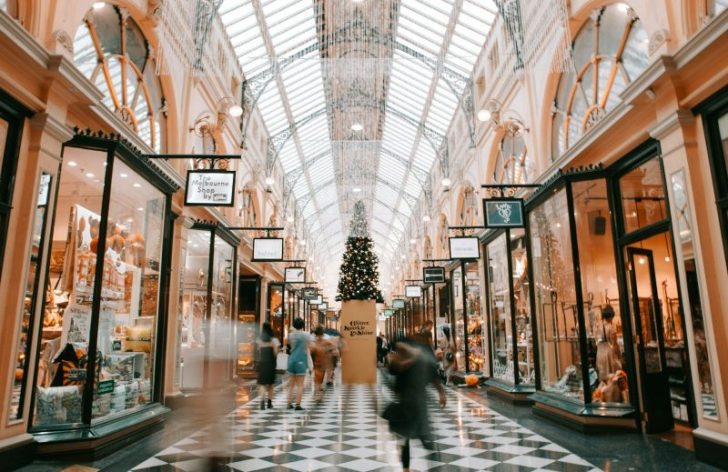
Fin / Unsplash / Labels like GANNI and Tommy Hilfiger kicked off major seasonal sales on October 24, a full month earlier than last year.
Tommy Hilfiger even framed the move as a Holiday Head Start, making it clear that the shopping season now begins before Halloween.
This early start has pulled the rest of the industry along. Banana Republic, GUESS, and J.Crew rolled out their deals in late October and early November. Mass market names like GAP and Abercrombie & Fitch took an even more aggressive route, keeping steady discounts through the entire run-up to Christmas.
It changes how people think about the holidays. Instead of waiting for one big day, shoppers get weeks of chances to grab gifts at lower prices. It reduces the panic and spreads the demand, helping both customers and brands manage the flow more smoothly.
Plus, the longer runway also pushes fashion companies to plan their stock differently. With sales spread over more weeks, they can test offers, see what moves, and adjust quickly. It gives them more flexibility and helps avoid the high-pressure rush that often leads to steep, last-minute markdowns.
Strategy First, Discounts Second
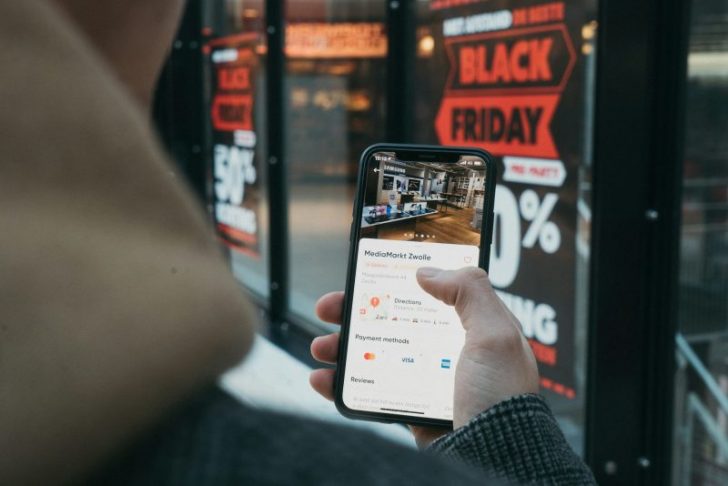
Card / Unsplash / Even with earlier deals, brands are not cutting prices loosely. The new rule is margins over markdowns.
Lectra, a fashion tech group that studies pricing trends, notes that the share of items on sale is dropping even though promotions last longer. This means companies are using the extra time to target, not dump.
The shift is easy to spot in the products that stay full price. Accessories like wallets and handbags, plus jeans and denim jackets, keep selling out. The barrel leg jean is the star of the season, showing up 50% more in European collections and often moving at full price. Brands know these items are hot, so they protect them from discounts.
On the other hand, slow movers face sharper cuts. Cargo pants, for example, lost over half their market share this season, so they became a prime target for markdowns. Brands would rather discount these items early and clear space than risk carrying them through December.
Consumer Mood and a Shifting Market
All these changes are happening while shoppers stay cautious. Even though economic pressure has eased a bit, people across Europe still watch their spending closely. Deloitte and PwC expect a dip in holiday spending this year, so brands know they must work harder to capture attention without losing money.
The interesting part is that shoppers want to buy, but they also question everything. Surveys show high intent in Italy, Spain, and Portugal, but also high skepticism. Many believe stores bump up prices before Black Friday.
In Portugal, 75% of shoppers think this happens, and more than half of Italian consumers agree. A Belgian watchdog, Testachats, even found that only 30% of Black Friday deals truly offered real savings.